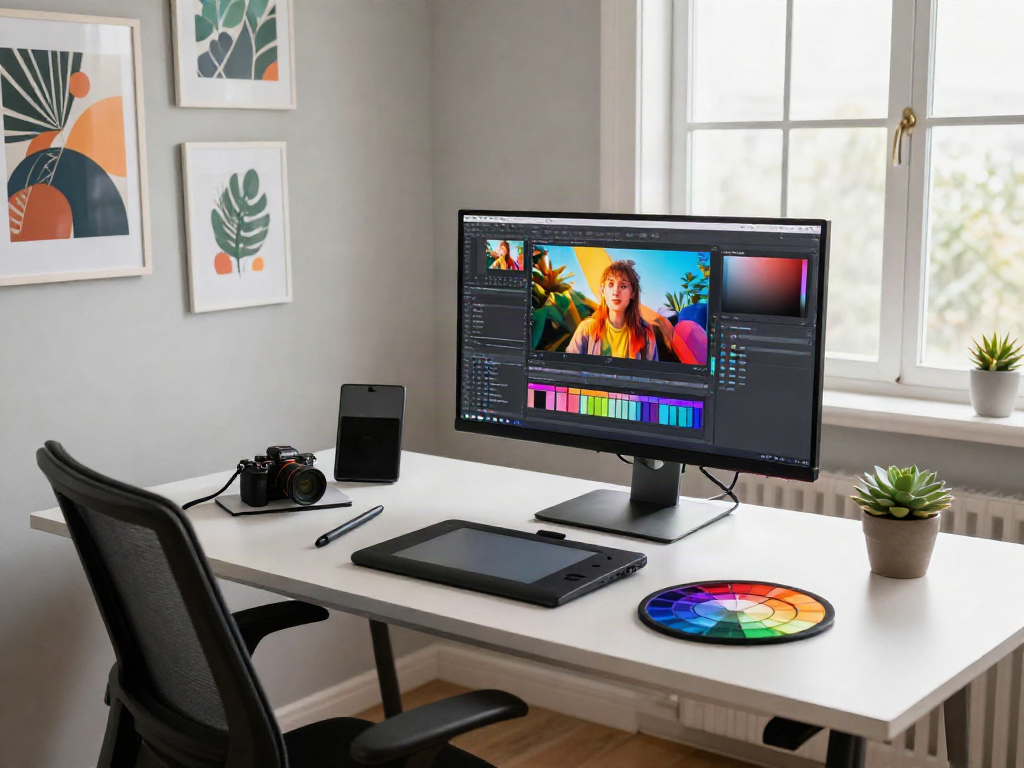
Understanding the Basics of AI Photo Editing
Artificial Intelligence (AI) has revolutionized various industries, and photo editing is no exception. With the advent of ai photo editor tools, creatives can enhance their images faster and with more precision than ever before. These tools leverage machine learning algorithms to automate tasks that would traditionally require significant manual effort, thus streamlining the editing process and allowing for greater creative freedom. In this section, we delve into what AI photo editors are, their benefits, and the essential features to look for when choosing the right tool for your needs.
What is an AI Photo Editor?
An AI photo editor utilizes advanced algorithms to analyze and process images, enabling users to perform complex edits with minimal manual input. Unlike traditional photo editing software, which relies heavily on the user’s skill level and time investment, AI editors can suggest adjustments, apply filters, and even enhance image quality automatically. They can recognize elements within a photo—such as faces, landscapes, and objects—and apply contextually relevant changes. This feature not only speeds up the editing process but also helps users achieve professional results without extensive training.
Benefits of Using AI Photo Editors
- Time Savings: AI photo editors significantly reduce the time spent on routine editing tasks, allowing photographers and designers to focus on more creative aspects of their work.
- Enhanced Creativity: By automating repetitive processes, AI tools enable users to experiment more freely with their images, leading to unique artistic outcomes.
- Accessibility: With user-friendly interfaces and automated features, these editors are often more accessible to beginners who may lack experience in traditional editing techniques.
- Consistent Quality: AI-driven adjustments maintain a level of consistency across multiple images, which is crucial for branding and professional portfolios.
Key Features to Look For in an AI Photo Editor
When choosing an AI photo editor, consider the following features to ensure that the tool meets your needs:
- Automatic Enhancements: Look for tools that can automatically enhance color balance, brightness, and contrast based on the image content.
- Object Recognition: Effective AI editors should be able to recognize different elements in a photo, allowing for targeted adjustments.
- Batch Processing: This feature is essential for users who need to edit multiple images simultaneously, improving workflow efficiency.
- Compatibility: Ensure that the software is compatible with various file formats and other editing software you may use.
Common Challenges in AI Photo Editing
While AI photo editing tools offer numerous benefits, they also come with their own set of challenges. Understanding these issues can better prepare users to leverage AI effectively.
Overcoming Misconceptions About AI Technologies
Many users may have misconceptions regarding AI technologies, believing they are not capable of replicating the nuanced editing style of a skilled human editor. However, AI photo editors are continually improving, incorporating machine learning to better understand artistic intent and preferences over time. It is essential to view AI as a collaborative tool rather than a replacement for human creativity.
Addressing Quality Versus Speed Trade-offs
While AI can speed up the editing process significantly, it is crucial to balance speed with quality. Some AI tools may prioritize rapid adjustments over meticulous details, potentially leading to oversaturated colors or unnatural effects in images. Users should be prepared to make manual tweaks post-AI processing to ensure that their final product meets their artistic requirements.
Dealing with User Learning Curves
Although AI photo editors are designed to be user-friendly, there may still be a learning curve involved in mastering their functionalities. Beginners should take advantage of tutorials, online resources, and community forums to familiarize themselves with the software and its unique features. Continuous practice will yield better proficiency and confidence in utilizing AI tools effectively.
Best Practices for Maximizing AI Photo Editors
To fully capitalize on the capabilities of AI photo editors, users should adopt various best practices that enhance their editing workflow and outcomes.
Integrating AI Tools into Your Workflow
Integrating AI photo editing tools into an existing workflow can significantly enhance productivity. Begin by assessing which parts of your editing process can be automated, such as color correction or background removal. Gradually incorporate AI features into your routine, ensuring they complement your current methods and increase overall efficiency.
Experimenting with AI Features and Settings
Every AI photo editor offers various features and settings. Take time to experiment with different functionalities, such as automatic enhancements, filters, and presets. This experimentation can lead to discovering unique effects and styles that can set your work apart from others.
Case Studies: Success Stories in AI Photo Editing
Many photographers and graphic designers have successfully integrated AI photo editing into their practice. For instance, a commercial photographer who utilized AI tools for batch processing reported a 50% reduction in editing time while maintaining high-quality results. By sharing these success stories, we can inspire others to embrace AI technology in their creative workflows.
Future Trends in AI Photo Editing
As technology evolves, so does the future of AI photo editing. Emerging trends are expected to shape how we approach image creation and enhancement in the coming years.
Emerging Technologies to Watch in 2026
By 2026, advancements in AI and machine learning will likely result in even more sophisticated photo editing solutions. Expect to see developments in neural networks that improve image recognition, enabling AI tools to analyze and manipulate complex scenes with unprecedented accuracy. Technologies such as augmented reality (AR) may also enhance editing capabilities, allowing users to visualize changes in real time.
The Role of Machine Learning in Image Enhancement
Machine learning's impact on image enhancement is profound. As these algorithms continue to learn from user interactions, they will become increasingly adept at understanding aesthetic preferences, leading to more personalized editing experiences. Users will benefit from tools that can adjust settings based on their past preferences or specific project requirements.
Predictions for AI Impact on Creative Industries
The integration of AI photo editors will reshape creative industries by democratizing access to high-quality photo editing tools. As technology becomes more accessible, individuals, regardless of their editing skills, will be able to produce professional-quality images. Consequently, the demand for traditional editing skills may evolve, necessitating new approaches in education and training within the creative sector.
Getting Started: A Step-by-Step Guide
For those eager to dive into the world of AI photo editing, this section will provide a clear step-by-step guide on how to get started effectively.
Setting Up Your AI Photo Editing Software
Begin by choosing and downloading an AI photo editing tool that aligns with your needs. Follow the installation instructions provided by the software, and ensure that your system meets the necessary requirements for optimal performance. Once set up, familiarize yourself with the user interface and various features available.
Basic Techniques to Master First
As a newcomer, focus on mastering foundational techniques such as cropping, color correction, and applying filters. These essential skills will provide a solid base for more complex edits in the future. Take advantage of tutorials and online courses tailored to your chosen software to accelerate your learning process.
Resources for Continued Learning and Development
Continued learning is crucial in the fast-evolving landscape of AI photo editing. Utilize online forums, video tutorials, and courses to deepen your understanding of advanced features and techniques. Joining communities of fellow users can also provide valuable insights and inspiration.
How to Choose the Right AI Photo Editor for Your Needs
When selecting an AI photo editor, consider factors such as the specific features you need, your level of expertise, and your budget. Compare various tools, read user reviews, and take advantage of free trials to identify the editor that best suits your requirements.
FAQs on AI Photo Editing Trends
How do AI photo editors work?
AI photo editors operate using machine learning algorithms that analyze images and apply adjustments based on learned data. These tools can identify elements within a photo and suggest or implement edits automatically, often improving the overall quality.
Can I use an AI photo editor on my phone?
Many AI photo editing tools are available as mobile apps that allow users to edit images on smartphones or tablets. These apps often incorporate similar features as desktop versions, enabling quick and effective editing on the go.
What makes AI photo editors better than traditional editing software?
AI photo editors can automate tedious tasks, produce consistent results, and enhance images with minimal user input, making them quicker and often more user-friendly than traditional software, which relies heavily on manual adjustments.
Are there free AI photo editing tools available?
Yes, several free AI photo editing tools are available that offer basic features for users, making it accessible for those looking to explore AI editing without a financial commitment. However, premium options typically provide more advanced functionalities.
How to ensure high-quality outputs with AI photo editors?
To ensure high-quality outputs, always review and refine the automatic adjustments made by the AI editor. Utilize manual tools for final touches and adjustments to achieve the desired aesthetic while leveraging the benefits of AI-generated enhancements.